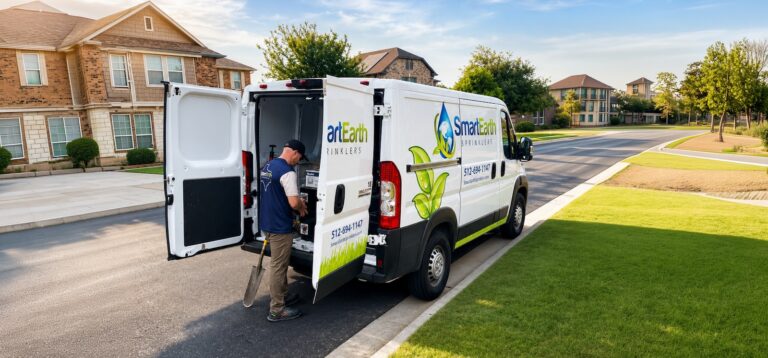
A sprinkler system does not always need to be completely replaced to work better. In many cases, a few smart upgrades can make a big difference in how efficiently your lawn and landscape get watered.
For homeowners in Austin, this matters. Between hot summers, dry stretches, watering schedules, and the need to avoid wasting water, an outdated sprinkler system can quickly become frustrating. Upgrading your sprinkler system is often easier, faster, and more affordable than you would expect.
Instead of tearing up the entire yard, a sprinkler professional can usually inspect the existing system, identify weak spots, and upgrade the parts that are causing problems. These updates can help improve coverage, reduce runoff, lower water waste, and make the system much easier to manage.
Why Upgrade an Existing Sprinkler System?
Sprinkler systems can continue “running” for years even though they are no longer working as well as they should. The system may still turn on, but that does not mean it is watering evenly or efficiently.
Common signs that your sprinkler system may need an upgrade include:
- Uneven green and brown patches in the lawn
- Sprinkler heads spraying sidewalks, driveways, or the street
- Low water pressure in certain zones
- Broken, clogged, or sunken sprinkler heads
- Water pooling in some areas while other areas stay dry
- An old controller that is hard to program
- Zones that run too long or not long enough
- Plants, beds, or lawn areas that have changed since the system was installed
In Austin, sprinkler efficiency is especially important because watering rules and dry weather can limit how often a system can run. If your system only has a limited watering window, every minute needs to count.
A Sprinkler Upgrade Usually Starts With an Inspection
The first step is usually a full system check. A sprinkler technician can run each zone, look at the spray pattern, check the heads, inspect valves, test the controller, and look for leaks or pressure issues.
This process helps determine what needs to be upgraded and what can stay in place. Many systems already have usable underground piping and zones. The problem is often with older components, poor coverage, outdated controls, or worn-out parts.
That means the upgrade can often be targeted instead of turning into a full replacement.
Common Sprinkler System Components to Upgrade
1. Sprinkler Heads
Sprinkler heads are one of the most common parts to upgrade. Over time, heads can crack, clog, sink into the soil, tilt, or stop rotating correctly.
Replacing outdated heads can improve coverage and prevent water from spraying where it does not belong. In many cases, simply changing the type, height, or placement of sprinkler heads can make the system perform much better.
2. Spray Nozzles
Nozzles control how water comes out of the sprinkler head. If the nozzle is old, clogged, damaged, or wrong for the area, the system may waste water or leave dry spots.
Upgraded nozzles can help apply water more evenly and at a better rate. This is especially helpful for Austin lawns where efficient watering is important during hot weather.
3. Smart Irrigation Controllers
A smart controller is one of the best upgrades for an older sprinkler system. Traditional controllers run based on a fixed schedule, even when weather conditions change.
Smart controllers can make watering easier by allowing more precise scheduling. Many can also adjust based on weather, season, and zone needs. This helps reduce overwatering and makes the system more convenient to manage.
For Austin homeowners, a smart controller can also make it easier to stay aligned with watering days and allowed watering times.
4. Rain and Freeze Sensors
Rain and freeze sensors are simple upgrades that can prevent unnecessary watering. A rain sensor can stop the system from running during or after rainfall. A freeze sensor can help prevent the system from operating when freezing conditions could create unsafe icy areas or damage components.
These sensors are small additions, but they can make the entire system smarter and more efficient.
5. Drip Irrigation for Beds and Plantings
Not every part of a landscape needs traditional spray heads. Flower beds, shrubs, foundation plantings, and garden areas often do better with drip irrigation.
Drip irrigation delivers water closer to the root zone instead of spraying it through the air. This can help reduce evaporation, overspray, and runoff. In many Austin landscapes, converting certain beds or plant zones to drip irrigation is a practical upgrade that supports healthier plants and better water use.
6. Valves and Valve Boxes
Sprinkler valves control when each zone turns on and off. If a valve is failing, a zone may not run correctly, may stay on too long, or may not turn on at all.
Upgrading faulty valves can restore proper zone control. Cleaning up or replacing valve boxes can also make future maintenance easier.
7. Pressure Regulation
Water pressure has a major impact on sprinkler performance. Too much pressure can create misting, overspray, and wasted water. Too little pressure can prevent heads from reaching the areas they need to cover.
Adding or improving pressure regulation can help the system water more evenly and efficiently. This is an especially useful upgrade when certain zones look weak or when sprinkler heads are creating a fine mist instead of a steady spray.
8. Backflow and System Safety Components
A sprinkler system also includes components that help protect the water supply and keep the system operating safely. Depending on the age and condition of the system, backflow-related components may need inspection, repair, or replacement.
This is not always the most visible upgrade, but it is an important part of keeping the irrigation system functioning properly.
9. Zone Adjustments
Sometimes the problem is not the sprinkler head or the controller. It is the way the zones are set up.
A lawn area, flower bed, tree, or shaded section may have changed since the system was installed. Some zones may be watering plants with very different needs at the same time.
Adjusting zones, changing head types, or separating watering areas can help the system work better for the current landscape.
You Do Not Have to Upgrade Everything at Once
One of the best things about sprinkler system upgrades is that they can often be done in phases. You may start with a controller upgrade, then replace broken heads, then convert certain beds to drip irrigation later.
A professional inspection can help prioritize which upgrades will make the biggest difference first. This makes the process easier to budget and less overwhelming.
Is It Time to Upgrade Your Sprinkler System?
If your sprinkler system is wasting water, leaving dry spots, spraying pavement, or becoming difficult to manage, it may be time for an upgrade.
For homeowners in Austin, sprinkler upgrades can make lawn care easier, improve watering efficiency, and help the system better match today’s landscape and local watering needs.
You may not need a brand-new irrigation system. You may just need the right components upgraded.
A professional sprinkler system inspection can help identify what is working, what is outdated, and what changes would give you the biggest improvement.
Not sure which upgrades your sprinkler system needs? Smart Earth Sprinklers can evaluate your current system and help you prioritize improvements for better coverage, easier operation, and more efficient watering.
Schedule a sprinkler system inspection today, call Smart Earth Sprinklers at (512) 694-1147.