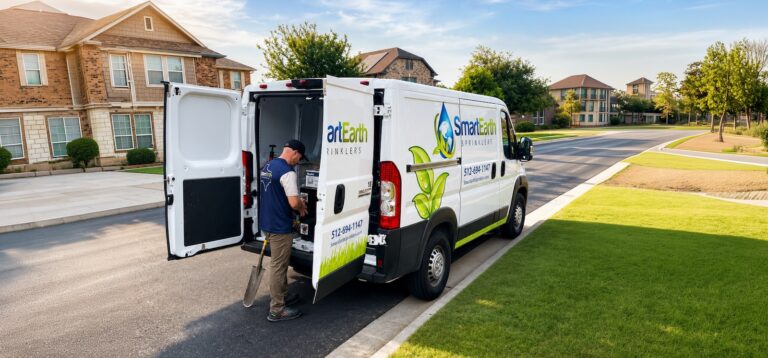
Here at Smart Earth Sprinklers, maintain a wide range of sprinkler systems. Moreover, we can carry out sprinkler system repairs on various kinds of irrigation systems, ensuring that your garden is always watered properly.
Here are a handful of the different irrigation systems that we work with:
1. Drip Irrigation

Drip irrigation is an extremely water-efficient system because it only allows a trickle of water to reach a very localized area of the garden. Drip irrigation systems release small amounts of water over time and are excellent for watering sensitive foliage and plants thanks to the gentle water delivery method.
Modern drip irrigation systems include a series of water nozzles that are connected to a main line. These nozzles allow the water to be released slowly. In the past, drip irrigation systems were simply made by poking holes in a pipe and then feeding water through at low pressure.
Drip irrigation systems are preferred for areas where water is scarce, as they use much less water per hour than other kinds of irrigation systems. Drip irrigation doesn’t create a high-pressure spray, minimizing the impact on the soil. It also means that minerals and nutrients are not washed away as easily.
These irrigation systems reduce evaporation and runoff due to the slow delivery of water, which feeds the roots more efficiently. However, one challenge with drip irrigation systems is that the lines and nozzles tend to get clogged up with limescale over time, requiring periodic flushing or replacement.
2. Micro Irrigation

Micro irrigation uses small water lines to connect small sprays, circulars, or drip irrigation systems as close to the plant as possible. These systems are designed to minimize water waste and ensure highly accurate irrigation. Micro irrigation helps preserve nutrients and fertilizers present in the soil by reducing excessive runoff. They are also generally more efficient, as less water is lost to the wind, evaporation, and runoff since they don’t have to spray long distances.
Furthermore, micro irrigation reduces the frequency at which you need to water your plants because it is more targeted and the water spray is more precise. This precision also helps limit weed growth since you are avoiding watering areas that are not tightly controlled. These irrigation systems are great for watering new trees, vegetable gardens, potted plants, and other small individual items that require a lot of care.
3. Sub-surface Irrigation

Sub-surface irrigation is a series of irrigation lines and sprayers that are buried several inches below the surface. This underground watering system is extremely efficient because it allows the water to be applied directly to the root system of your lawn or other plants. The benefits of being buried underground include the elimination of wind and evaporation losses. Moreover, underground water systems generally last longer because they are well-protected from damage.
Subsurface irrigation systems help prevent lawn diseases, such as fungus, and other issues caused by overwatering and wet patches forming since excess water runs off underground rather than pooling on top.
These systems are designed to be strong, robust, and sealed so that soil and debris do not clog the lines. However, one of the downsides to underground watering systems is that they can be difficult to repair if there is a problem.
4. Turf Rotors

Turf rotors are great for watering large areas, such as big lawns. These rotors spring up out of the ground and can rotate 360 degrees to spray a large area in all directions. They can be spaced as much as 100 feet apart at a time to cover more ground. Depending on the level of water pressure and the type of rotor head installed, these sprinklers can spray as much as 1.5 inches of water per hour.
Turf rotors are commonly used for watering lawns and are often set to water during the night because they lend themselves to automation. Turf rotors are also known for being relatively low-maintenance.
5. Spray Heads

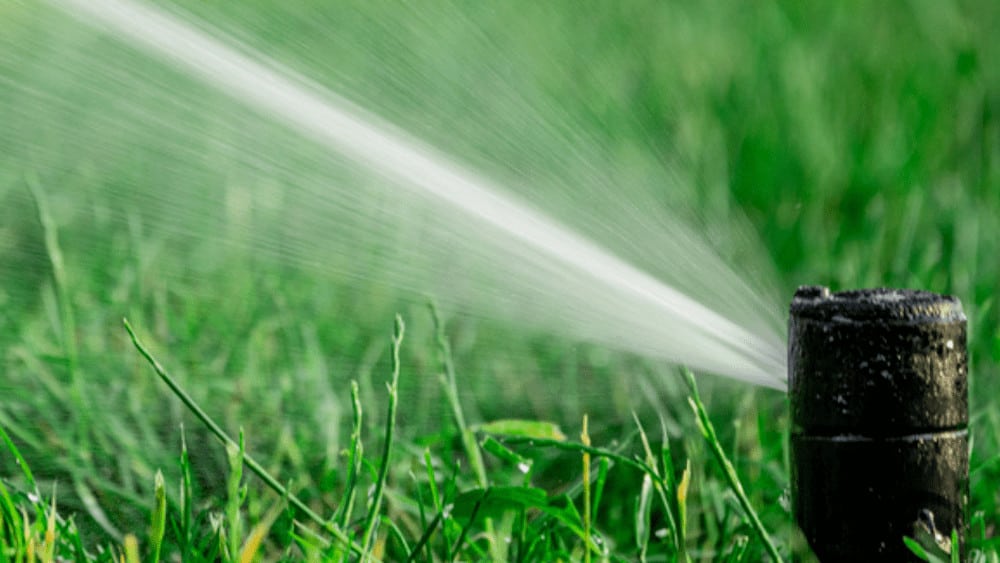
Fixed spray heads are also automated and rise from the ground to deliver a consistent and accurate fan of water in a uniform fashion. The sprinkler nozzles attached to the fixed spray heads pop up to irrigate and then recede again afterwards.
The heads can be arranged to spray in various configurations. They can spray in a 180-degree pattern, a 360-degree pattern, or anything in between to ensure that the area you need to water can be watered as needed.
Spray heads provide excellent coverage with fewer heads required and are fairly popular in many landscapes, whether residential or commercial.
Lawnmowers or accidental kicking or stepping can frequently damage fixed spray heads, posing one of the most common problems encountered with them. Sometimes the spray heads can also become clogged, preventing them from popping up as required. A thorough inspection should be carried out to ensure that the spray heads operate as they should.
No matter the system, we at Smart Earth Sprinklers can supply, maintain, and repair them all. Contact us today to ensure irrigation system efficiency in your garden.